
TSC President Briefs EU on Sudan Developments
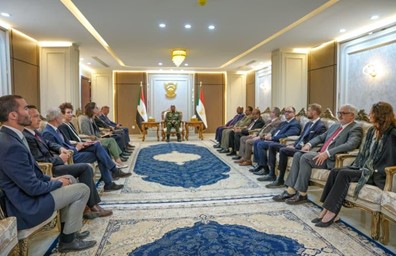 President of the Transitional Sovereignty Council (TSC), General Abdel-Fattah Al-Burhan, briefed European Union ambassadors accredited to Sudan on the latest humanitarian and security developments in the country during a meeting in Khartoum attended by Foreign Minister Mohi-Eddin Salim.
Al-Burhan presented an overview of the war launched by the Rapid Support Forces (RSF) militia against the state and its institutions, highlighting violations and abuses committed against civilians. He stressed the need to halt continued external support to the militia. He said Sudan is a country with a deep-rooted civilization and that its people have the capacity and awareness to manage their own affairs. TSC President reaffirmed that the political process is a purely Sudanese matter that must take place inside the country and be driven by the will of its people, while welcoming any support that contributes to stability, peace, and development and respects Sudan’s sovereignty.
EU Ambassador to Sudan Wolfram Vetter said the meeting was aimed at gaining a clearer understanding of the situation in Sudan, noting that it comes four years after the outbreak of war. He said it provided an opportunity to hear directly about the suffering and humanitarian impact of the conflict.
Vetter added that the EU is prepared to engage with Sudanese parties to help find an urgent solution to the crisis and support a civilian democratic transition. He reiterated the EU’s rejection of parallel governing structures in Sudan and called for an end to illicit arms flows and the prevention of mercenaries and foreign fighters entering the country. He further stated that EU officials had met senior Sudanese leaders at the highest levels, as well as UN agencies and diplomatic missions in Khartoum, in support of Sudan’s sovereignty and territorial integrity.
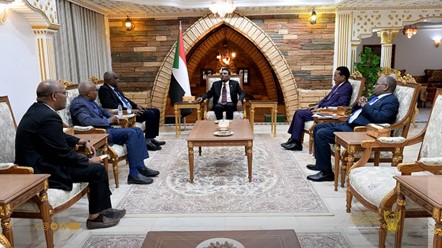 Prime Minister Dr. Kamil Idris reaffirmed the Government of Hope’s commitment to addressing issues affecting doctors, praising their continued efforts in delivering healthcare services, particularly during the war.
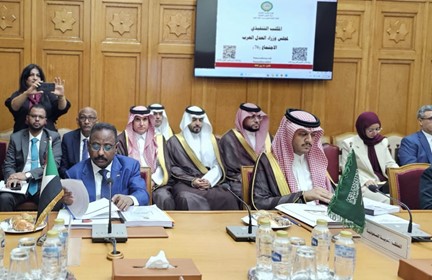 The Sudanese Minister of Justice, Dr. Abdullah Mohamed Dirif, took part in the 76th session of the Executive Office of the Council of Arab Ministers of Justice, held in Cairo. He attended in his capacity as Sudan’s representative within the Council’s troika.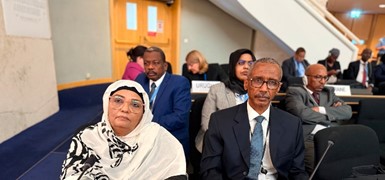
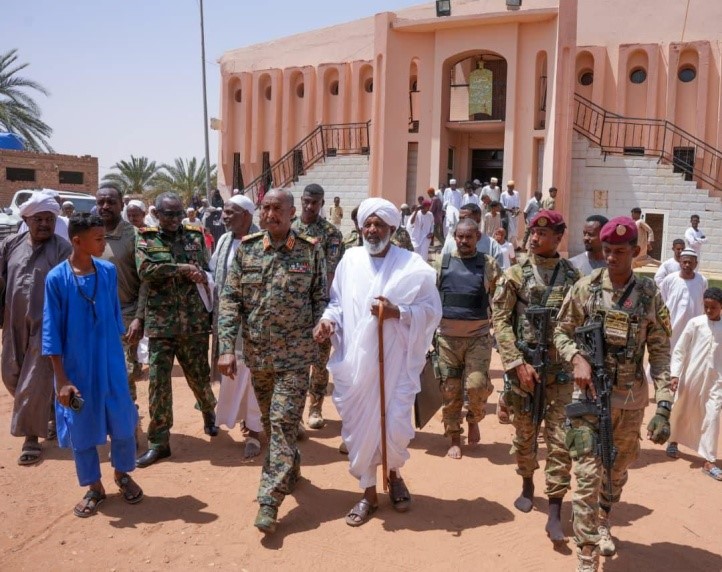 President of the Transitional Sovereignty Council (TSC) and Commander-in-Chief of the Armed Forces, General Abdel Fattah Al-Burhan, praised the people of Al-Eilafoun for their steadfast support of the Sudanese Armed Forces (SAF) during the Battle of Dignity.
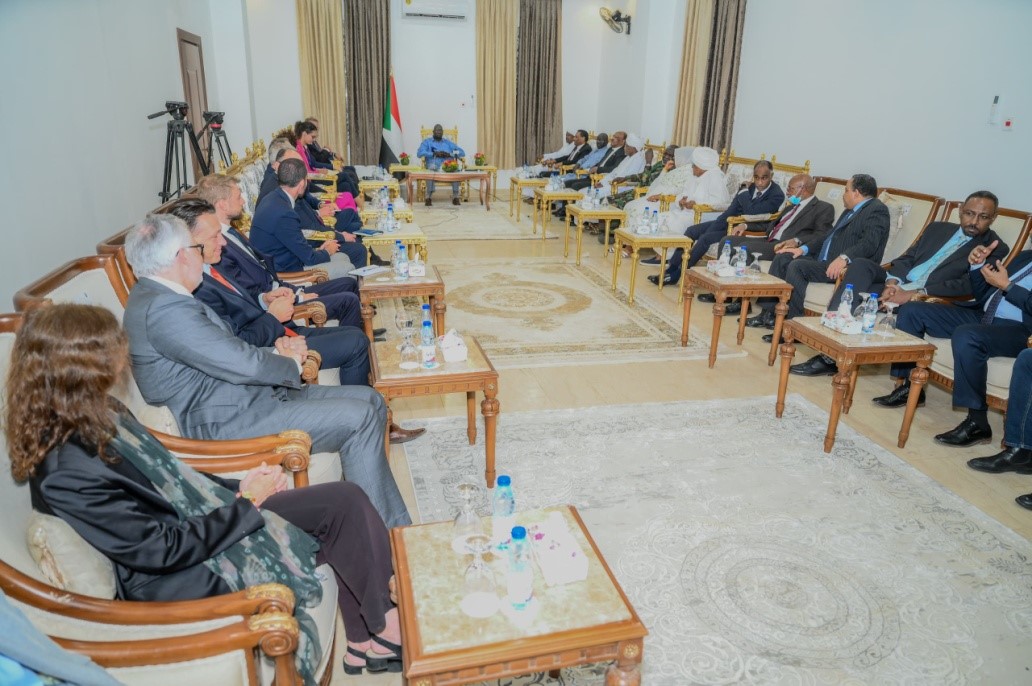 Vice-President of the Transitional Sovereignty Council (TSC) Malik Agar stressed that any Sudanese-led dialogue should begin inside Sudan, emphasizing that addressing the country's issues abroad will not be constructive.
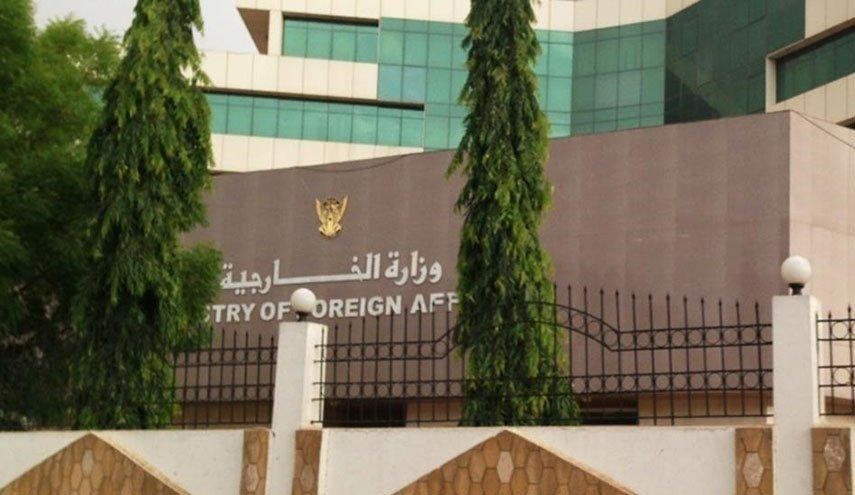 The Government of Sudan said it is closely following the repeated attempts by the so-called Ta'sis coalition, the political arm of the terrorist Janjaweed militia, to distort and misrepresent the contents of the statement issued by the United Nations Children's Fund (UNICEF) regarding Sudan's national examinations, and to portray it in a manner suggesting support for its political agenda or conferring any legitimacy on arrangements parallel to the national education system.
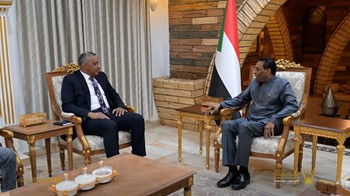
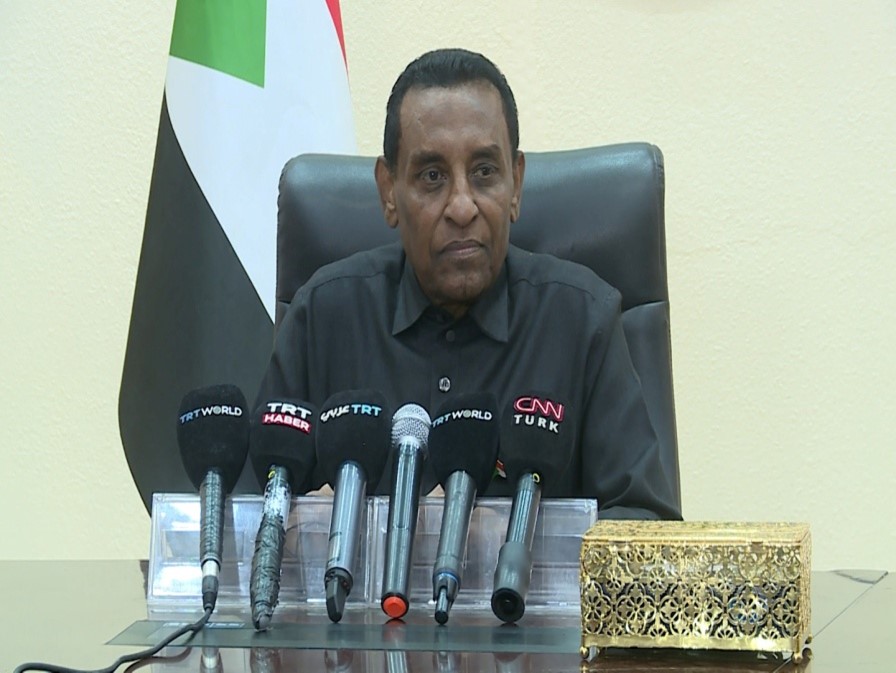 Prime Minister Professor Kamil Idris met with Paramount Chief of the Beni Aamer tribes, Ali Ibrahim Daglal, and his accompanying delegation, in the presence of Minister of Finance Dr. Gebreil Ibrahim, Minister of Culture, Information, Tourism and Antiquities Khalid Al-Eisir, and Prime Minister’s Adviser Nizar Abdallah Mohamed.
 Prime Minister Kamil Idris reaffirmed the Government of Hope’s commitment to developing the education and tourism sectors in Sudan.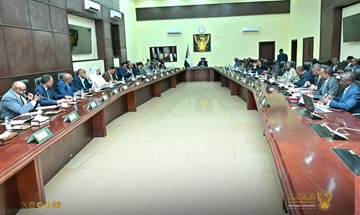
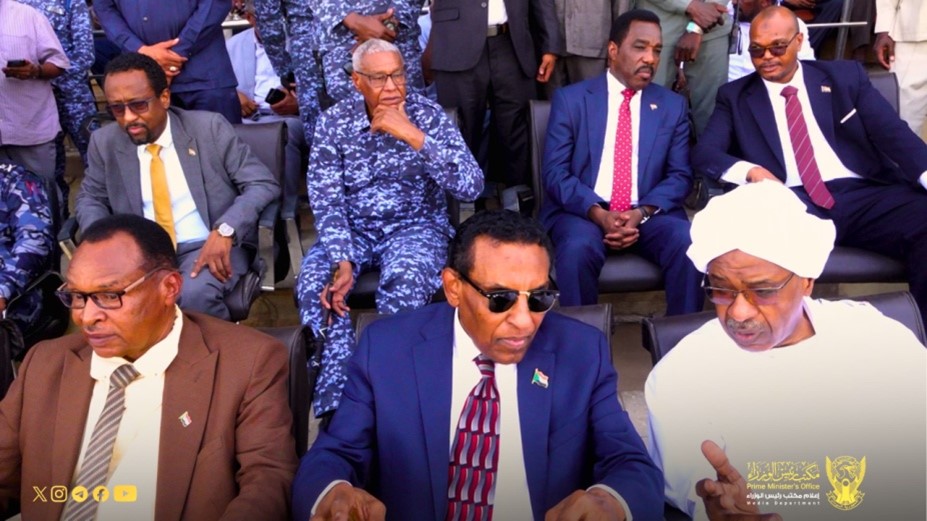 Prime Minister Kamil Idris on Wednesday evening attended the Sudanese football derby between Al-Hilal and Al-Merrikh, the country's two most prominent football clubs, at Khartoum International Stadium.